


Treatment
DBT-informed therapy in Boca Raton
Skills for the moments when emotions move faster than you can think.
Individual psychotherapy with DBT-informed strategies helps improve emotional regulation, distress tolerance, mindfulness, communication and decision-making. I trained in Dialectical Behavior Therapy with Behavioral Tech, the Linehan training company, and at Bellevue Hospital, and I bring those skills into calm, practical sessions. I have been a member of both international and South Florida based DBT consultation groups since 2020 and I have learned from the best in the field.
- Practical skills you can use the same day
- Teens & adults
- Boca Raton or online in FL & NY
 Reviewed by Alina Yurkovsky, Psy.D., licensed psychologist · Last reviewed
- Psy.D.
- Doctor of Psychology, Yeshiva University
- Licensed
- Psychologist in Florida & New York
- Intensive Plus
- DBT certification, Behavioral Tech (Linehan training company)
- Bellevue
- DBT training, Intensive Personality Disorder Clinic
- Since 2020
- International and South Florida DBT consultation groups
Myths and facts
DBT is more than a diagnosis
Dialectical Behavior Therapy is often linked with one diagnosis. In practice, its skills help many people who feel overwhelmed by their emotions.
-
Myth“DBT is only for borderline personality disorder.”
FactIt was first developed for that, and its skills are now used for anxiety, mood, anger, eating and relationship difficulties too.
-
Myth“Learning skills means my feelings are wrong.”
FactDBT starts with validation. Your feelings make sense. The skills help you act on them in ways that work for you.
-
Myth“It’s just talking about coping.”
FactIt’s practical. You learn specific skills, practice them in real life and track what changes.
-
Myth“If I need skills, something is wrong with me.”
FactSkills are learned, not built in. Many people simply never had the chance to learn them.
-
Myth“DBT-informed means a full DBT program.”
FactNot quite. I use DBT skills and strategies in individual therapy. A comprehensive DBT program also includes a weekly skills group and phone coaching.
A session
What a session looks like
Sessions are warm and collaborative, and they have a clear structure, so the time goes to what matters most.
- 01 Check in We look back at your week, often with a simple diary card, to spot patterns in emotions, urges and actions.
- 02 Choose a moment We pick the moment that mattered most and slow it down: what happened, what you felt and what you did.
- 03 Build a skill Mindfulness, distress tolerance, emotion regulation or interpersonal effectiveness, chosen for that moment.
- 04 Plan practice You leave with one or two skills to try in real life, and a plan for when it gets hard.
Why a psychologist
Skills work best with a full picture
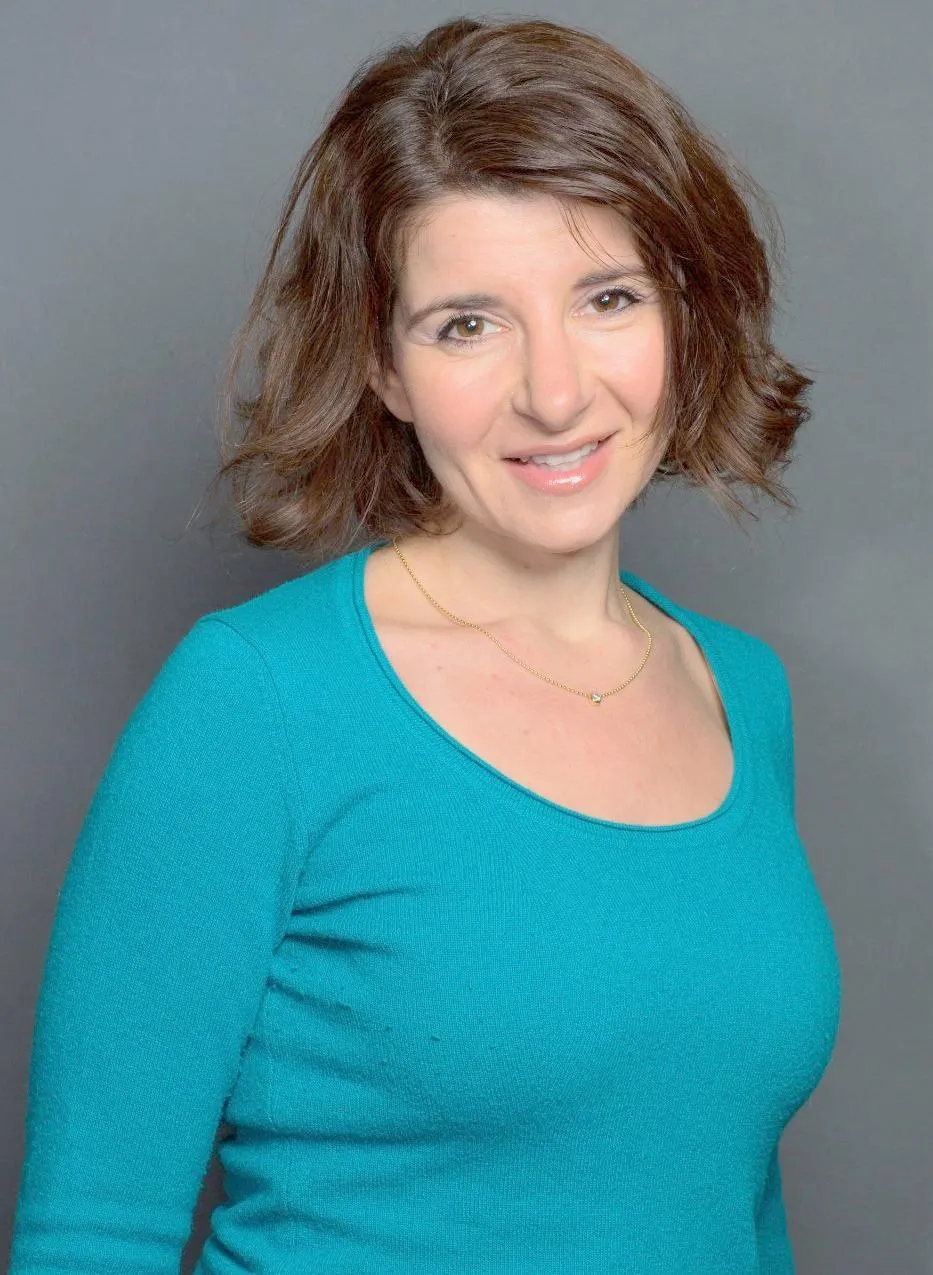
Strong emotions usually have a story behind them: anxiety, trauma, ADHD, depression, relationship patterns or stress in the body. As a licensed clinical psychologist, I assess the whole picture first, so the skills we practice fit what is really driving the problem.
That also means DBT skills can sit alongside other work. They are a steady base for EMDR and trauma processing, and I may also use clinical hypnosis for calming the nervous system.
- Full clinical assessment first
- Validation and change, together
- Other approaches used when helpful
- Bound by professional ethics and confidentiality
What it can help with
When emotions run the show
DBT skills help most when reactions feel too big, too fast or hard to undo afterwards.
Relationships & divorce
Asking for what you need, setting limits and staying yourself in conflict.
Relationships & divorce →Emotional eating
Noticing urges and choosing a different response when food becomes the way to cope.
Emotional eating →Trauma & PTSD
Building the stability to manage triggers, often before or alongside EMDR.
Trauma & PTSD →Teens & families
A shared language for big feelings, for teens and the parents supporting them.
Children & teens →The research
What the evidence shows
DBT skills
Across studies of DBT skills training used on its own, people improved in emotion regulation, depression, anxiety and other outcomes, in a range of groups and settings.
Valentine et al. (2015), systematic review. Journal of Clinical Psychology · Read the study (Valentine et al. (2015), systematic review.)
Self-harm & BPD
Compared with usual treatment, DBT reduced self-harm and improved everyday functioning in people with borderline personality disorder.
Storebø et al. (2020), Cochrane systematic review. Cochrane Database of Systematic Reviews · Read the study (Storebø et al. (2020), Cochrane systematic review.)
These studies tested full DBT programs or DBT skills groups. DBT-informed individual therapy uses the same skills, but it isn’t identical, and the Cochrane authors rated the certainty of the evidence as low. Research describes averages across groups, not what will happen for any one person.
She has taught me a lot about DBT skills that I use in life… She has integrity and will come through for you with what you need, not just what she feels like offering you.
Individual experiences vary. Reviews are shared from Google with identifying details removed.
Is it right for you?
Who DBT skills tend to suit
Often a good fit if…
- Emotions feel too big, too fast or hard to come down from
- You act on urges you later regret
- Relationships feel like a rollercoaster
- You want practical tools, not only insight
- You’re willing to practice skills between sessions
Let’s talk first if…
- You need a comprehensive DBT program with group and phone coaching
- You have thoughts of harming yourself. Please call or text 988, or call 911 in an emergency
- Substance use is getting in the way of daily life
If DBT-informed therapy isn’t the right fit, I’ll tell you, and suggest what may help more.
How treatment works
From first call to steadier days
Here’s how DBT-informed therapy usually runs, and what each step costs.
- Free 20-minute call We talk about what’s going on and whether a skills-based approach fits.
- $350 Intake assessment A full assessment of your history and goals, and a plan built around them.
- $250 Individual sessions Each session, with skills chosen for what is happening in your life now.
- Yours Skills for life A toolkit you understand well enough to use on your own, long after we finish.
The number of sessions varies from person to person. Private pay, with superbills for out-of-network reimbursement. Fees & insurance →
Between sessions
Skills in real life
Skills only help if you can reach them when it matters. Between sessions you practice one or two at a time and note what happens, so we can fine-tune them together.
- A short diary card to notice patterns
- One skill to practice each week
- A plan for the hardest moments
Supportive and challenging
DBT is built on a balance of acceptance and change. I’ll support you, and I’ll also gently challenge you when old patterns start to take hold.
“She’s also not afraid to challenge you when you feel stale and stuck thought patterns start to take hold. It’s the right combination between supportive and challenging!”
Individual experiences vary. Reviews are shared with identifying details removed.
FAQs
Common questions
Intake $350 · Sessions $250. Private pay, with superbills for out-of-network reimbursement. Fees & insurance
What does “dialectical” mean?
It means holding two things that seem opposite at the same time. In DBT, the main one is acceptance and change: accepting yourself as you are, while working to change what isn’t working.
What are the four DBT skill areas?
Mindfulness, distress tolerance, emotion regulation and interpersonal effectiveness. We focus on the ones that matter most for you.
Is DBT-informed therapy right for teens?
It often is. Teens tend to like that the skills are concrete and practical, and parents can learn the same language to support them at home.
How is this different from CBT?
DBT grew out of CBT. It adds acceptance, mindfulness and a strong focus on managing intense emotions and relationships, which plain CBT doesn’t always cover.
Can sessions be online?
Yes. Sessions can take place in my Boca Raton office or online by secure video for clients located in Florida and New York.